%20(1).webp)

Antarctica is one of the most remote and wild places on Earth, and that’s why we’re serious about keeping the continent protected now and for future generations.
Traveling to the Seventh Continent is beyond adventure. It offers a rare chance to witness a landscape that remains largely untouched, while also showing travelers why the continent needs protection. From its unique wildlife to its role in regulating the planet’s climate, Antarctica influences life far beyond its frozen shores.
A Unique Wildlife Diversity
Antarctica is often imagined as a stark, empty destination, yet it is home to some of the most incredible species found nowhere else on Earth. Each has evolved to survive extreme cold, long winters, and shifting sea ice.
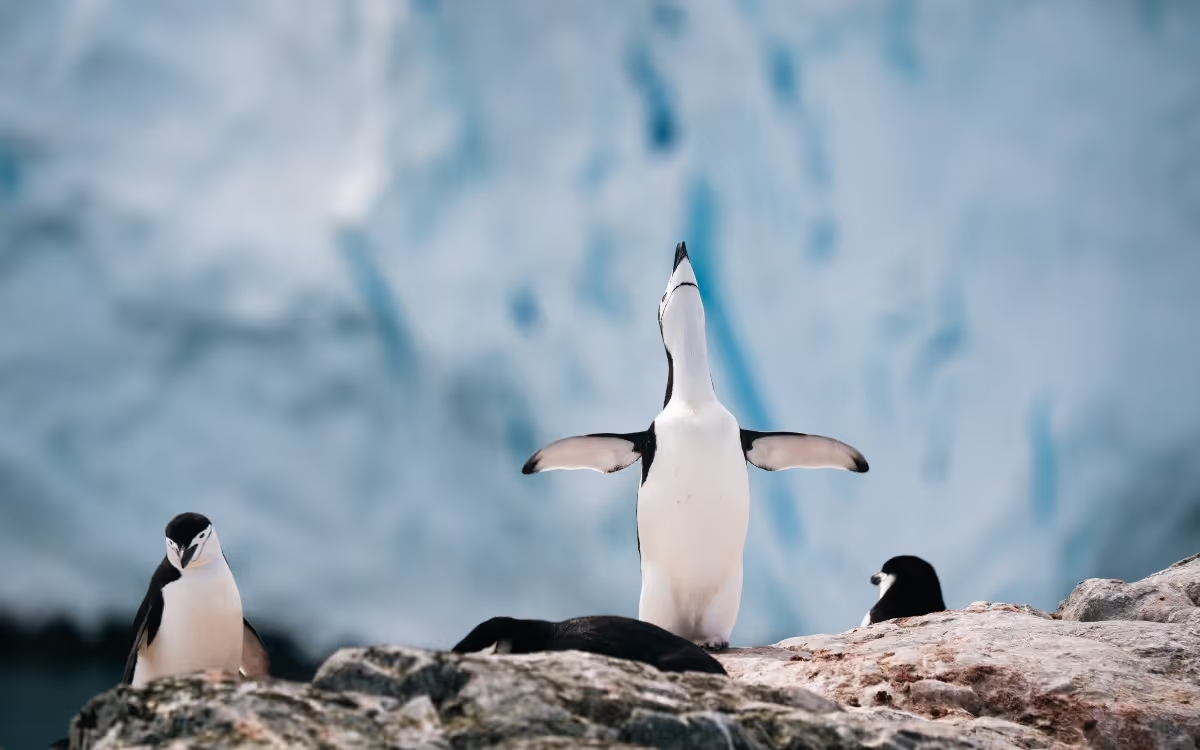
Gentoo penguins are among the most widespread species in the Antarctic region. They are the fastest underwater swimmers among penguins, reaching about 36 kilometers (22 miles) per hour.
Mainly found in the interiors of the continent, emperor penguins stand out as the only penguin species that breed during the Antarctic winter, while snow petrels are one of the few seabird species that breed exclusively in Antarctica. They nest on exposed cliffs and have been documented to venture more than 200 km (120 mi) in land.
Weddell seals are known for their deep diving abilities and can stay underwater for more than an hour, supported by unusually high oxygen stores in their blood and muscles. They keep their breathing holes open by scraping the ice with their teeth, which gradually wears them down with age.
Krill is a small, transparent crustacean found in all oceans. Antarctic krill is about 6 centimeters long, they form huge swarms and are the base of the food web for many species in Antarctica, especially whales.
Each of these species' survival is tightly linked to protecting the continent, as they depend on stable sea ice, rich feeding grounds, and healthy ocean conditions to thrive.
%20(1).avif)
Carbon Storage in the Ocean
The Southern Ocean is one of the world’s most important carbon sinks. Scientists estimate that it absorbs about 40% of the global oceanic uptake of human-produced carbon dioxide each year.
Here’s how it works: Cold, dense water around Antarctica absorbs carbon at the surface and literally sinks, storing it in the deep ocean for centuries. This natural circulation helps regulate atmospheric carbon levels and slows global warming.
Phytoplankton in the region also contribute by using carbon during photosynthesis, with some of that carbon eventually settling to the seafloor.
Protecting the Southern Ocean helps safeguard one of Earth’s most powerful climate-regulating systems.
Our Planet’s Largest Freshwater Reservoir
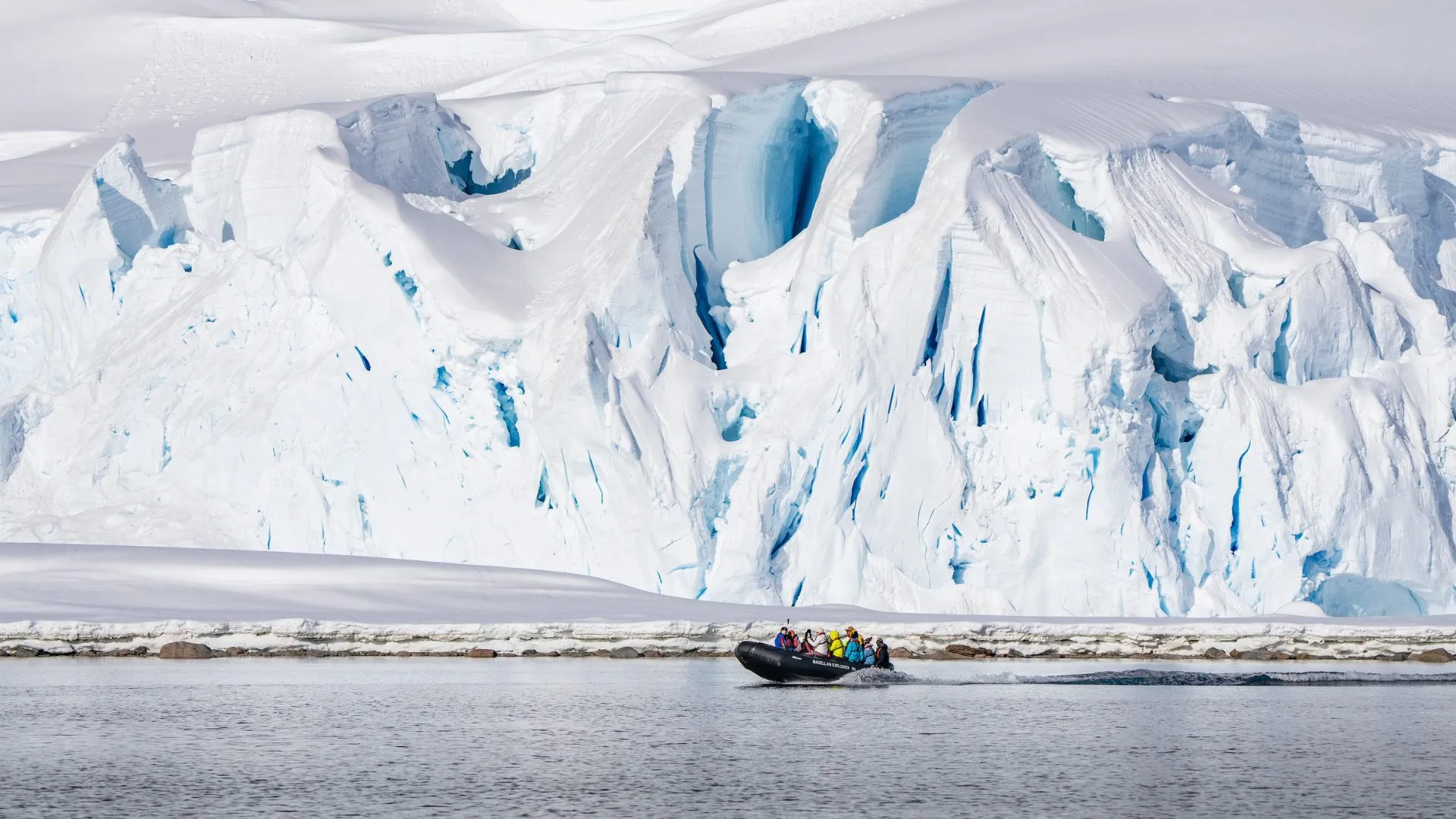
Antarctica holds around 70 percent of the planet’s freshwater, locked inside an ice sheet that is more than 4 km (2.5 mi) thick in places and covers an area twice the size of Australia. If the entire Antarctic ice sheet melted, global sea levels would rise by nearly 60 m (200 ft).
The ice sheet also plays a stabilizing role in Earth’s climate by reflecting sunlight and maintaining cooler global temperatures. Even small changes in melt rates can have global consequences, which is why monitoring and protection efforts are essential.
%20(1).avif)
Ocean Circulation
The cold, dense waters of Antarctica help drive the global system known as the Great Ocean Conveyor Belt. As surface water cools and sinks near the continent, it flows northward through the deep ocean, transporting heat, oxygen, and nutrients across the planet. This circulation supports marine ecosystems, shapes regional climates, and influences weather patterns worldwide. Disruptions to Antarctic waters can affect ocean systems thousands of kilometers away.
Scientific Cooperation Model
Antarctica represents one of the most successful examples of international cooperation. The Antarctic Treaty System, signed in 1959 and now supported by more than 50 countries, designates the continent as a place or peace and science. Military activity, mining, and territorial claims are suspended, and scientific collaboration is prioritized.
This treaty shows that nations with competing interests can work together to protect an environment that benefits the entire planet. Protecting Antarctica means safeguarding biodiversity, climate stability, freshwater reserves, and a rare model of global cooperation.
Learn all of the above and more during an expedition with us. Read about our Antarctic air-cruise itineraries here!
.avif)
.jpg)
.jpg)
Experience the Extraordinary
From dramatic landscapes to close wildlife encounters, every journey to the White Continent is unique. Let's start planning yours together.

Stay In Touch With Antarctica
Subscribe to be the first to know about new season launches, early booking promotions, brochures, future contests, and more.

